Showing posts with label meditation. Show all posts

How to Retreat at Home

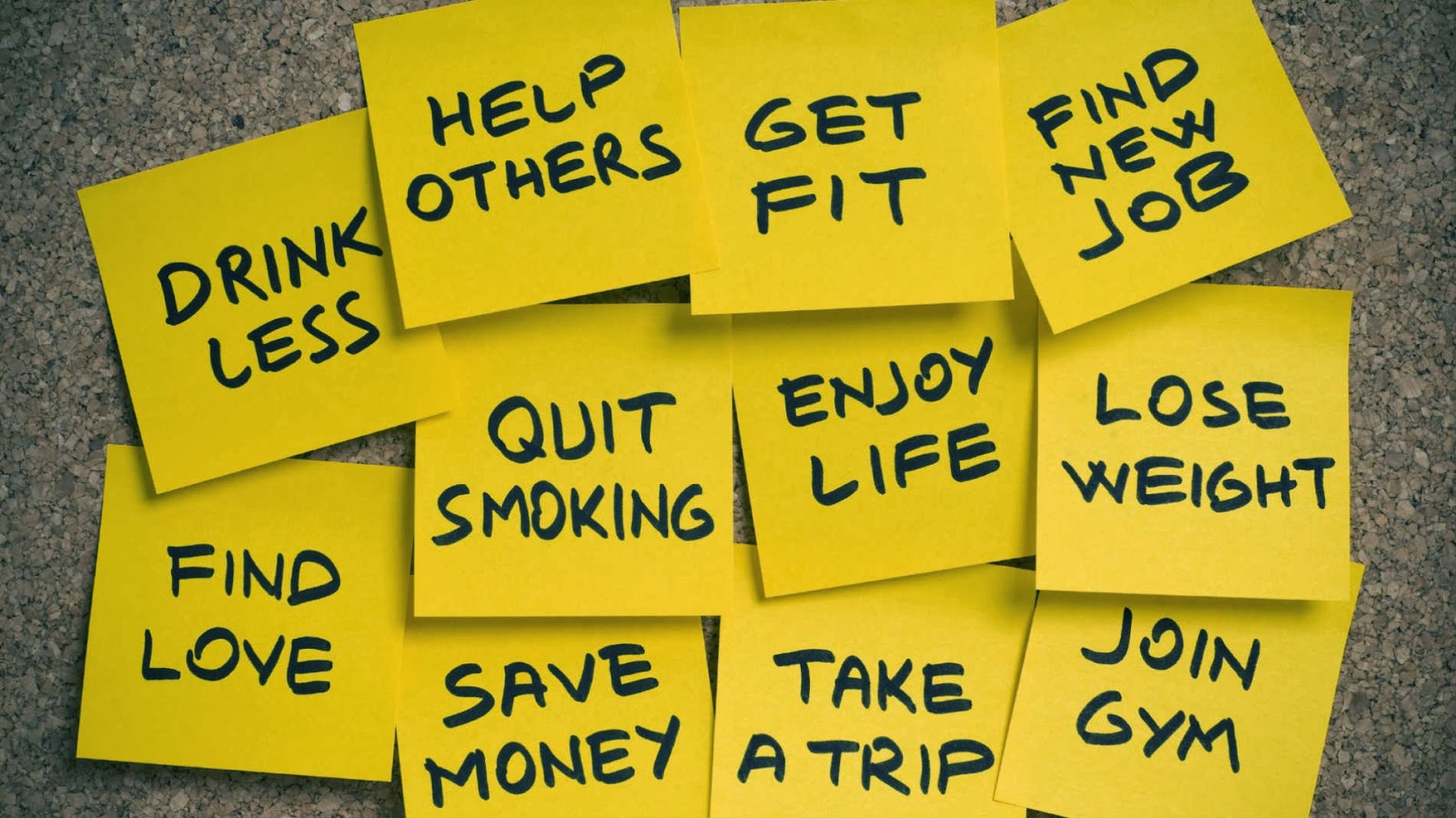
At the start of "social distancing", which is now being referred to as "lockdown", I joked on social media against a jaunty yellow background: "Let's Call it a Retreat!". Secretly, I wished it were. While I had a couple of days off due to postponing courses, I've since been flooded with clients presenting with all kinds of distress and problems.


My own ensuing problem quickly became overwork.


Let's take today for example. My first order of business was a 2-hour lesson at 8:30am. Then a 30-minute birthday call. I wolfed down some oatmeal and fruit just in time to teach a Psychic Course session at 11am. This course is taught with 1-hour breaks in between sessions. Online funeral at 11:30am. I returned a few emails and led the next Psychic Course session at 12:30pm. Following this was a tri-continental family zoom reunion at 1pm. Another Psychic Course session at 2pm. Yoga at 3pm (10 minutes for a snack right before, tsk tsk!). Psychic Course session at 4:30pm.

I'm now at my dinner break (I'd originally booked a client during this break but her appointment was moved) and I'm grateful for a home cooked meal. I've got about 15 minutes to write before hopping back on for today's last Psychic Course session at 5:45pm. Then my niece, nephew and their parents are coming later for an impromptu physically-distanced backyard fireworks (probably handheld sparklers) birthday party and homemade cake for my brother-in-law. Fortunately I'd taken the rest of the evening off.


Normally, I try to pace myself. Today's funeral, family zoom meeting and backyard party weren't part of my original day at all. But this is how it goes in the pandemic, isn't it? I'm sure you have your version of chaos too.

With the next few days looking almost as impossible, I've decided to revisit my retreat idea in earnest. No retreat centres happening now. I'm having my retreat at home.

How, you ask? Well, here's my plan.

Focus


First, what's this retreat about? You might want to focus on writing, nutrition or even building a business. Those sound like deep-dives, not retreats. What I'm talking about is a proper silent retreat, dedicated to my meditation, mindfulness and insight practice. It's about being alone with this body and this mind and knowing their realities. Know what your focus is for the retreat and know what kinds of activities you'll be including to support your focus. In my case, there will be sitting and walking mindfulness practice, mindfulness while eating, perhaps mindfulness while gardening and cleaning and a few supplementary teachings. After all, if you're setting aside real estate in your calendar, it had better be worth the investment of your time.


Dates


A retreat could be a day, a week up to 40 or even 60 days or more. The dates must be consecutive, with no interruptions. No sneaking in work! No socializing! And no devices! Length is also important. Long ago, I attended a 10-day silent Vipassana retreat in Illinois. Most of the participants were newbies. By day four, half the meditation hall, including my ride back to Chicago O'Hare, had defected. So, you want your retreat to be long enough to challenge you and boost your practice, but short enough that it's actually do-able.

Eyeing a course postponement in the calendar and a space between weekly mindfulness teaching, I decide on four days at the end of the month. Yippie! Having four days to do nothing sounds divine, but it won't be nothing. I'm investing my time, so I want it to be worth it. I need to set up a routine.

Schedule


Once you block off time, structure each day of the retreat.

At every retreat I've attended and led, there's a rhythm that one follows day after day. Consider alternating sitting and walking practice. Pre-set your waking and sleeping hours and meal times.

Look at how your activities work together. Although mindfulness during mealtimes is part of my practice, I know a walking or active practice after eating prevents the inevitable post-food sluggishness.

Don't pile the toughest challenges ("I'm going to sit still and meditate for two hours straight!") on the first day. Ease in. Last summer, I took my little niece and nephew to Montreal for five wild days of fun to kick off summer holidays (during the Montreal Jazz Festival and long weekend). I then plunged head-first into a 5-day Buddhist insight retreat in silence in the country. Mistake! It took two of the five days just to settle in. Winding down a bit before heading to the retreat is also a great idea, to help you make the most of your silent time. Since I grocery shop for my parents, I'll make sure that's done prior to my retreat, taper off work leading up to my start date and refer folks elsewhere for help.

Location


Set up your space so that it's conducive to practice. If your home environment is cluttered, it could take away from your ability to be at ease. Of course, you should absolutely make any cleaning or tidying up part of your mindfulness in daily life practice. Take a look at the weather before your retreat begins and plan some time outdoors. A change of scenery can really boost awareness and mindfulness. I'll be heading to my local park the first day or two, as a walk by the river will be an ideal place to help ease into deeper awareness in my practice later on.


Materials


Think about what you'll need to make your retreat successful. Writing and journaling aren't part of a silent retreat so notebooks are out, but you may want to supplement your practice with reading and listening to lessons or teachings. And although these are wonderful complements to your retreat, they aren't required. If you do go this route, pick out a book or two in advance, not twenty. The idea is to supplement the awareness practice, not get lost in reading. Downloading audio or putting it on CD in advance will avoid temptation to go online.

I've recorded Love in the Time of Corona, a 1-hour guided healing meditation specifically to help with stress and anxiety around this time. I've also created Seven Days of Guided Meditation, a series of short 12-20 minute "guided lessons", which is a great start for beginners. I've downloaded some audio from my teacher's teacher in Thailand that I'll use to supplement my practice for up to an hour each day.

You might be used to using a timer app for your meditation or mindfulness practice. Instead of this, keep your device off wifi and on airplane mode and use an alarm clock and regular watch. If you're off schedule a few minutes, it's ok.


Provisions


This includes making sure you have enough groceries (and toilet paper), planning out your meals, getting a babysitter or handing off work if you need to. Cancel appointments and remember, this is a digital detox as well as a mental detox. Avoid relying on devices.


Silence


This is perhaps the most daunting aspect for many. How will I manage to stay off my phone, device, TV, and stay quiet for a day? A week? A month? And what if I live with others who aren't retreating? Again, ease in and make sure you set some ground rules for yourself and those around you before you begin. Tell your family or house-mates about your retreat, and share your schedule so they're less likely to disturb you when you're in common areas. If you think they'll forget and try to engage with you (even eye contact counts as engagement), you can pre-plan to wear something as a signal to them that you're remaining silent. I'll wear my Silence t-shirt, but you may opt for a simple hat or scarf as a visual cue.


Notify


Tell everyone you're heading on retreat! It will help you be accountable to yourself and it will help others know to resist contacting you until after your retreat is completed. Set your out-of-office notices. Post something up on social media. Stick a note on your door for any deliveries. Set your phone to Do Not  Disturb with a custom message. Send out an email and tell folks that might contact you (I sent out a note to my email list, and linked this post!).

Be Kind


Lastly, remember that this retreat has a purpose: it's to give you an opportunity to invest in yourself and your own development. Take it easy and be kind to yourself. If you can't fall asleep one evening and oversleep the next day, just know you overslept. If you become impatient with yourself, just know the impatience arose. If you feel fearful that you're missing out on something happening in the world, just know the fear. The whole point is to know what's arising in within your heart, mind and body, one moment at a time, with patience and attention.

So, full disclosure, I didn't finish writing this in 15 minutes. And that's okay.

I'll put all of these tips into action in a couple of weeks. I'm really looking forward to it. 


Further Learning

If you enjoy the workshop you may also want to explore:


About Salima

A leading Reiki Master Teacher, Intuitive Guide, Healer & Vice-Chair of the Mindfulness Society of Canada, Salima offers private healing & readings, & teaches Reiki, intuition & mindfulness to students in person and around the world.


Reiki Healing During a Pandemic (COVID-19)

If you're a Reiki Healer, please stop giving Reiki immediately.


I never thought I'd say that, but I said it. Let me explain.

As I write this, people all over the world are getting sick but don't know it. There are germs flying about, landing and lingering on all kinds of surfaces -- and staying active for longer than we think.

Public health experts all over the world are telling us to stay home, wash our hands, keep a safe distance from others if we absolutely must go out and physically distance ourselves -- avoid all physical contact. So, I'm telling all my students (and all hands-on-healers of all kinds) to stop giving Reiki or other healing sessions in person. Teachers: stop giving attunements.  For now. It's a disheartening message, but the good news is that we don't need to get stuck or feel useless. There's a lot we can still do. Read on!


Infusing Reiki


Even at Level One, before we've learned distance healing, we have a remarkable capacity for healing. The first step is always to practice self-healing with Reiki. If you're physically distancing (I don't like to call it "socially distancing" because you can still be social, just not in person), chances are you've freed up a bit of time spent commuting and running around (a lot of which seems unnecessary now, doesn't it?). Use this time to commit or re-commit to a daily self-healing practice. If you haven't practiced in a while, get your manual out and start again. Make sure your hands are freshly washed before you start. If you still can't find an hour a day, do less than an hour. Some Reiki is better than no Reiki.

I won't lie: A full or longer session is better than a shorter session because you attend to all areas and work through congestion and blockages. Imagine how you'd feel after a half hour massage versus a one-hour massage? Exactly. While you're giving yourself Reiki you may find that worries, fears, anxieties, your concern or compulsion to fix things or save others or your own feelings of helplessness when you can't help them, magically soften. Put on a little light healing music and allow yourself to feel the healing as you go. Allow it to be an exploration rather than a fixing session.

Then, once your self-healing is done, your energy field and your aura are charged up! You're filled with light. Give yourself some time then to practice any of the following:
  • prayers
  • phone calls
  • offering of words of support
  • laughter
  • crying and allowing others to cry
  • making good on promises
  • check-ins with others
  • manifesting visualizations (see the outcome or reality you want)
  • go into your psychic workshop (if you've taken that course)
  • sending love and light
All of these will be infused with Reiki already because you've just come from giving yourself Reiki! When I first learned Level One, I'd wake up with my hands buzzing and felt that the Reiki energy was being wasted if I didn't immediately give myself a healing. In hindsight I know it was part of my path to practice and I noticed that from the moment I began my daily self-practice, my whole life was filled with awareness, attentiveness, signs, miracles and spontaneous doors opening for me.


Distance Reiki


For those who are at Reiki Level Two, you've learned some very valuable and magical skills. In addition to learning how to become sensitive to emotions and facilitate emotional releases and healing, you've also learned how to use the technology of symbols. These are very powerful tools. They give you the ability to open up a portal to transmit healing beyond space and time.

Amazing, right?

Are you nervous? You've already done it. You had practice during your course and after your very fist distance healing in our course, you shared what you sensed and what you felt was being worked on. That's all you need to share. You just need to practice doing it. Communicating what we sense is even more important now. Here are the ways in which this is achieved, from the most impactful, to the least:

The most powerful is face to face practice and communication, but we can't do that right now.

The second most powerful way to practice and communicate is over the phone (or a video call, with Skype, LINE, WhatsApp, Zoom, or others). This means a live Reiki session in real time while the recipient on the other end of the call is lying down and receiving the distance Reiki. So while they don't see you, they do hear you. During the session, you can share with them what you sense, facilitate an emotional release and healing, practise sound healing and /or play healing music.

The image above shows the next best way is a hand-written letter. Quaint, but not happening.

Finally, you can email (or at the least, text) a written report with notes after the session is complete. I do this sometimes. When I do, my notes are extensive because I'm typing in real time (with one finger on my phone) as I do the distance healing.


Any of these forms of communication will be immensely helpful to the recipient.

But you might be nervous.

"What if I misinterpret something I feel?". Yes, you might. And it's okay. Reiki healing is perfect and works on what's needed at the time. We may not know what that is. The person receiving the healing for a skin condition may get a distance healing from you and sleep better than they had in months because their anxiety was eased. So if you give Reiki by distance and feel anxiety instead of a skin condition that's okay. That skin condition may improve given the benefits of better rest or after a few distance Reiki healings.

"What if there's an awkward silence on the phone?". We really have trouble with silence, don't we? One thing I hope COVID-19 helps us with is overcoming boredom. When you're giving Reiki, let yourself and the other person be bored. Rest and let them rest. Trust the Reiki and let the recipient trust you. Let it be quiet and sense what you sense. Let them be quiet and see if they can sense anything happening. They just might.

If you feel you need to check in and see if they're "still there", you can gently ask, "If you need anything or have questions, just ask, okay?", and that will give them a chance to let you know if they do.


Play a little light healing music in the background, just as you would if they were with you. Nothing dramatic or emotionally tugging. No violins! Chances are, if they've had Reiki with you before, they'll feel immediately more relaxed hearing the familiar healing sounds in the background and feel at ease knowing that you're with them throughout the call. 

I do a lot of healing work over the phone and can share with you that as awkward as it might be for you your first few times, it's more awkward for them. You might have practice doing this several times, but for them, they may be going out on a limb and this may be their first time. Just remember that Reiki can do no harm. The intent is always pure and healing, so you're safe and so is the recipient.

If all else fails, contact your teacher. At their heart, a Reiki Master/Teacher is bound and responsible to their students. Just like a parent to a child, a spiritual healing teacher is responsible to their students for as long as the student has something to learn from them. So practice and explore, but if something isn't making sense, get in touch. Keep up your practice.

Remember you have a very magical gift and we all need as much light as we can get right now!

Further Learning

If you enjoy the workshop you may also want to explore:


About Salima

A leading Reiki Master Teacher, Intuitive Guide, Healer & Vice-Chair of the Mindfulness Society of Canada, Salima offers private healing & readings, & teaches Reiki, intuition & mindfulness to students in person and around the world.

Think You Think Too Much?

A lot of my students who are learning the correct principles of meditation will at one point or another complain about thinking too much. It's an affliction that we all suffer from but it becomes really apparent during meditation, at times when we can't focus, or can't fall asleep. I wonder why we worry about it? Perhaps we read articles claiming that thinking too much makes us fat.


Ok quick! Stop thinking!

Actually, it's impossible to stop. With an estimated 65,000 thoughts going through the average human mind within a single day, with both processing and sensing (as in psychic ability) perhaps at the speed of light, could there really be such a thing as over thinking?

Think again


The good news is that the mind is designed to think. Thinking is natural: it's critical to our survival and our functioning. Humans have the ability to process vast amounts of information, and to be doing this consciously. This is part of what makes us human. 

Don't believe the hype


The painful part about thinking too much (and no, it's not the fat thing), is that we have a tendency to believe the thoughts, attach to them and feel that they're ours, develop feelings about them, and want to do something about them. It's like an addiction. A massive human trap! 


Google it

For example, a thought arises in the mind in the form of a question. In the thinking process, there is no satisfying answer. There comes a stealth but powerful disliking at not knowing the answer. The irritation is enough to breed a strong desire to find that answer. Curiosity builds. We want that answer. We Google it. 

It's like an itch we want to scratch. An addiction. A trap.


Or let's say there's a thought or opinion that a particular sports team should win. It's the worst team in the history of sport, with an abysmal losing streak. But, because the mind or heart believes it's our team, we still want them to win. Why? Because if they win, then we feel like we win and that will make us happy.  

Thoughts breed


We shouldn't blame thoughts. Thoughts alone are neutral. We don't see that in addition to thinking there is also believing, feeling, association and desire. These need each other to breed. A whole stream of these appears in the form of memories, daydreams and stories. Each thought breeds a liking or disliking and that emotion breeds more thought, more emotions, or action. The investment of emotion causes fatigue. Imagine having to act on each thought we have. What torture!

No wonder we don't like it. It's exhausting.

Don't stop thinking, start knowing


Naturally our first instinct is to kill thoughts. We think meditating (our image of this is sitting lotus-legged banishing any thought that dare trespass) can work. But that's not the way. It's actually almost impossible for modern humans to do, and more painful and unnatural than the thinking was in the first place, which is why those who attempt this often give up.

The Buddha taught mindfulness, which involves practising getting good at knowing when the mind has gone off to think. We don't practice mindfulness by trying to stop thinking and feeling, we practice by simply watching and knowing what the mind and heart are doing. 

When we catch thinking and feeling happening, the thoughts and emotions halt in their tracks like deer caught in the headlights. No matter how cute you might be, it's hard to breed or spawn anything when you're startled, exposed and motionless.


To practice the right way, we just watch and accept the thoughts and feelings coming and going. Without holding on too tightly to any of them, they are more easily let go of so we can see what happens next. It's like the brain in this Oatmeal comic (ok probably not exactly like this but you'd be surprised). 

So next time you're lost in a trance-like stream of thinking and catch yourself, rather than feeling like your mind is something bad, go ahead, smile. You just snapped out of it. This is what it means to awaken. Just in that moment you awoke to what the mind did. And then don't stop. See what happens next. This is just the beginning of learning to practice mindfulness. 


Further Learning

If you enjoy the workshop you may also want to explore:


About Salima

A leading Reiki Master Teacher, Intuitive Guide, Healer & Vice-Chair of the Mindfulness Society of Canada, Salima offers private healing & readings, & teaches Reiki, intuition & mindfulness to students in person and around the world.

The Morning Routine

Good Morning!


The other day someone posted this to facebook:


That's right, folks you will be UTTERLY EXHAUSTED!

How about treating YOURSELF with all the care, kindness and understanding you can muster?

That's how I start my day every day, beginning with giving myself a Reiki treatment. So if you have taken a Reiki course with me, you know at the end I always say, give yourself a Reiki treatment everyday (at which point you may have looked at me like I was nuts). The whole point is, whatever you do, start with yourself.

So in the spirit of starting with myself I'm going to share...

The Morning Routine 


1. Wake up. 
Yawn, stretch, breathe, blink and look around. I always marvel how well I can see first thing in the morning. Then I check the time, like all of us. I sleep with the wifi off, so I'm not tempted to check email just yet.
(1 Minute) 


2. Clear my mind. 
Waking is one of the times I'm flooded with all sorts of brilliant and useless ideas. I just write them down. They can be messages or feelings that came up in a dream, inspirational words, or a burning action item for my "to do" list. Whatever it is, I get it down on paper and off my mind.
(1 Minute) 
Yours may be fancy. Mine's just a phone.

3. Give myself a Reiki treatment. 
This is by far the BEST investment of time first thing before getting out of bed. Especially a cold winter morning. I'd used to wake up with my hands buzzing and immediately place them on my eyes. The first Reiki position is doubles as the most useful eye exercise, called Palming.

If you don't have an hour, do 40 minutes. If you don't have that, do a quickie in 15. Key placements: Front of face and back of head, throat and heart, solar plexus and pelvis, feet (repeat at bedtime).
(15-60 Minutes) 

If you're strapped for time, do a quickie


If you don't have any time, take two minutes and remember:


I give thanks for my many blessings.
Just for today, do not worry. 
Just for today, do not anger. 
Honor your parents, teachers and elders. 
Earn your living honestly. 
Show gratitude to every living thing. 


4. Meditate. 
This is alone time. It doesn't matter whether you practice with the breath, a mantra or practice mindfulness. The point is do what you like to do. A beautiful practice to set the tone for the day is a "metta" or loving kindness meditation (listen to a guided session here). When I feel too restless I walk, or mindfully...
(10 Minutes) 


5. Light and Water.
Open the windows / blinds, water your house plants and drink a glass of warm or cold water. You can add lemon or apple cider vinegar to boost your stomach acid and cleanse your system. Let's face it we all need light and water. Let it stream in.
(5 Minutes) 


6. Stretch, dance, sing, move! 
Get out of breath! This is the time for yoga, exercise or whatever physical activities you need in your morning. Go outside barefoot, do chi-gong,cycle or run around. Do what you gotta do to break a sweat. 
(10-20 Minutes) 

I should mention that by this point in my day, there is a very small, chatty and boisterous human being climbing all over me who needs lots of attention and moves around a whole lot. If you have one of these delightful people (or beloved animals) in your life, be grateful. And let them join in the fun. This can be social time.


7. Shower.
Ahhhh. Nothing like dissolving into water. Another one of those times when I'm flooded with brilliant insights or useless ideas... Another great time to practice mindfulness.
(5 Minutes) 

8. Breakfast. 
Normally this entails fruit in either a salad or oatmeal with nuts and cinnamon or shredded coconut, or an anything or everything smoothie, or Montreal style bagel with avocado and tomato, or omelette with pesto, olives, sun-dried tomato and basil, or French toast with fruit! Clearly I love breakfast. Wholesome and simple. If you have a little one around, get them to help. If you don't, this is more time for mindfulness!
(20 Minutes) 
70s TV: Just Like Mom: stay in charge of recipes at all times.

The Only Rule is Actually an Exception

This whole process is 1-2 hours long. Before you protest, there is one rule: LISTEN TO YOUR BODY. You don't have to do it all. There are days I skip the plants (let's face it sometimes they are not thirsty) or the yoga (I might promise to take myself swimming later) or the breakfast (I can always grab something in town after my shower if I'm in a rush). 


And trust me, there are plenty of days when I admit I succumb to email or text messaging before the yoga or shower. I can't do TV, news, talk-radio and increasingly, music. But these might be your exceptions.

The point is I don't kill myself over the exceptions. Remember that thing about caring, being kind to and understanding yourself? That's right. It's the spirit in which all things happen, not the happenings themselves. 

So beginning today, care, be kind to and understand yourself. Your day -- and everyone else's around you --- will be much better for it.

Further Learning

If you enjoy the workshop you may also want to explore:


About Salima

A leading Reiki Master Teacher, Intuitive Guide, Healer & Vice-Chair of the Mindfulness Society of Canada, Salima offers private healing & readings, & teaches Reiki, intuition & mindfulness to students in person and around the world.

The New Year's Evolution

Happy New Year! 


Really, it's just another day in the continuum of life. Even still, drawing a line in time that says, "this is officially a new year!" reminds us of making a fresh start.

Enter the New Year's Resolution. Yikes!

Resolutions: an overwhelming To-Do list of items that never cross off.

I've always hated these three words put together. They are almost as scary as "Projections" or "Forecasts" except tinged with a thinly-veiled sense of greater control. And worse, we make these promises to ourselves (multiple ones, all at once!) that set us up for shame and failure right in the bleak dead of winter three weeks later. Well, not me. I have another way.

So, I Opted for a New Year's "Evolution"

Evolution: A long, unsteady and natural process

So much better. An "Evolution" is a long, unsteady and natural process (and hopefully going in the right direction). We know at the end of an evolution, the finished product (in this case, "me", or "you") will be different from what it is now. We don't need to know or control what that product will be. We just take note along the way of what is.

So instead of promising, "Starting today, I'm going to do blah, blah blah...", I take a key insight from the past year, months, weeks or days (something meaningful to me and others, hopefully) and watch how I'm evolving with it.

So here's one of my 2014 New Year's Evolutions. Are you ready? 

"I'm more aware of my plastic consumption."

Most of us don't even use these any more. Where are they coming from?

Taaa-Daaa! That's it. Are you surprised? Instead of starting or stopping doing something (aren't we doing enough already?) I've decided to simply become more aware of a habitual reaction to something. So sometime last year I had a moment like this:

Yikes! One look and you want to run out of there

It hit me like a Mack truck. Intellectually I always knew that there were healthier products and unhealthier ones. But the healthier ones *are* the unhealthy ones. I examined ingredients more closely. Apart from MSG, HFCS, BHA, and other obvious toxic chemicals there were literally hundreds more scientific names I'd never heard of. What were they? Were they deadly things pretending to be healthy or healthy things that just sound deadly? Tired, I left empty-handed.
Reading this would scare the bananas out of anyone, and yet it's perfectly healthy!

Even the fruit from the market was later eyed with suspicion. I can't always know every ingredient, so I made a promise then in the back of my mind, that I'd eat responsibly, eat well, eat happily and gratefully and be aware of how I felt after.

My plastic Evolution is similar. Not long ago, I was stuck in a space with the smell of melting plastic. Have you ever smelled melting plastic? Don't! It is noxious. It lingered in my lungs for a long time.
I was trapped by smells like this nose-pinching statue in a dirty Florence back-alley

When I got home I began noticing plastics around me, in my recycle bin, in the plastic bag storage. Even though I eat from the garden in summer, buy dry goods in bulk (bring my own containers), have carried cloth shopping bags for decades, gave up shampoo for a whole summer (trust me it was brutal) and generally am super sensible and sparing about packaging, I realised more than 50% of what I buy is still packaged in plastic. Oh, but it's recyclable, you say. I researched how it's recycled: a long and imperfect process and most plastic still winds up in landfills less than a year from the time it was purchased. Plastic near food and beverages is toxic and don't get me started on the environmental impacts! I became very aware that I wanted none of it.

Awareness of Direct Experience

This is the key ingredient to making it work. Awareness is the opposite of doing (or stopping doing) anything. So instead fearing being fat, ugly, old, broke, sick or dying and then doing something about the fear (dieting, exercising or quitting smoking for example), we simply become aware of our direct experience. And guess what? This awareness of direct experience is mindfulness practice. Come on, you didn't think I'd write a post without mentioning meditation, did you??
Isn't the skin enough? Absurdly over-packaged.

Evolution In Action

I notice every time I want to buy a package of rice crackers packaged in plastic. I may still buy them. I just become aware of my reaction (disappointment, whatever). The point is, I don't do (or stop doing) anything. I just notice what's going on inside. Eventually I may be so aware of the negative feelings that I lose the taste for rice crackers or become aware of alternatives. The habit forms or drops naturally, all by itself, when the mind is ready to drop it, not because I impose a Resolution.
Alternatives!

Et voilà!

That's the whole method. Trust me if you're looking to form a healthy habit or stop a negative habit (listen up if you want to quit smoking, lose weight, exercise more or sleep better!) this is the most natural, inexpensive and long-lasting way to go about it. Evolve!

If you were inspired into an Evolution with your own plastic habit, here is a handy-dandy guide to help you get started. Or tell me, what's your Evolution?

Further Learning

If you enjoy the workshop you may also want to explore:


About Salima

A leading Reiki Master Teacher, Intuitive Guide, Healer & Vice-Chair of the Mindfulness Society of Canada, Salima offers private healing & readings, & teaches Reiki, intuition & mindfulness to students in person and around the world.

where do bombings come from?

simple. from in here.
How about Bombs?


let me illustrate. today i walked into a car dealership. i purposely didn't look at the three salespeople idly sitting around because i felt them staring at me. instead i eyeballed the large hunks of glossy metal-on-wheels scattered across the floors throughout the brightly windowed space.

even more than feeling their gaze i began to hear the thought bubbles emerging from their heads. "cute but i won't close a sale..."

then i had thought bubbles of my own. "stop staring at me like that". small flickers of disappointment and fatigue came up after each thought.

what's this got to do with bombs, you ask? keep reading

a minute later we were discussing one of the hunks of metal. every question i posed resulted in a more disgruntled look, every answer was increasingly snide. and in me, small flickers of anger arose, little sparks... each spark emerged, was witnessed and died out. until finally one caught me off guard. I didn't catch it in time. it was a fire. noticing it appear i excused myself. "thanks, i'll think about it. have a good night". and i left.

these little fires make the bombs go off. no lie.

It lights itself, notice it and it's extinguished
it's the same angry fire that caused yesterday's bombings in boston resulting in three deaths and dozens injured. but that's not all. yesterday the same fire also killed 13 and wounded 200 in iraq through car bombs. it killed 30 people at an afghani wedding via a US bombing. it claimed the lives of 25 people -- including children -- by government bombing in syria. and it killed 30 in somalia by islamist bombing.

sounds like common sense, doesn't it? anger causes violence? but we often fail to recognize two things:

1. it's not just a bomber / terrorist / lost soul's anger, it's the same anger in us.
2. it's really hard to extinguish because we subjectively feel that "our" anger is justified.

extinguishing the spark

so do we resign ourselves to suffer at the hands of fire, anger, violence?

the truth is that suffering is up to us to endure. as humans we have the ability to be consciously aware. with some practice (enter mindfulness) we can notice anger as soon as it has appeared in our mind. by doing this it's automatically disarmed and can't breed into action. it's like calling out a villain. at that moment, they stop dead in their tracks. they drop their weapons. they lose their power. the same goes for our anger. once we notice it or call it out, it too loses power.

no force

that's right, the process shouldn't include any force. to do so would mean suppressing the anger, and we all know what happens when a fire is suppressed. it explodes like a bomb. so we notice calmly and without force or manipulation. the impartial noticing is what has the power to extinguish the spark before it blows up.

so remember... next time you feel anger or outrage or righteousness coming on:

Watch your beliefs... they become your thoughts,
Watch your thoughts...they become your words,
Watch your words... they become your actions,
Watch your actions... they become your habits,
Watch your habits... they become your values,
Watch your values... they become your destiny.

and in the process of watching, if you notice a nice car for me to buy, drop me a line.

Further Learning

If you enjoy the workshop you may also want to explore:


About Salima

A leading Reiki Master Teacher, Intuitive Guide, Healer & Vice-Chair of the Mindfulness Society of Canada, Salima offers private healing & readings, & teaches Reiki, intuition & mindfulness to students in person and around the world.

7 Tips for Smoother, Smarter, more Soulful Travel

you can lose yourself, even when you know where you are
This past summer, for me, was four months of constantly moving around. Bay of Quinte. Toronto. Tampa. Toronto. San Francisco. Toronto. Montreal. Toronto. San Francisco. Toronto. San Francisco. Toronto. Bay of Quinte. Toronto. Beijing. Xi'an. Shanghai. Hong Kong. San Francisco and back to Toronto. I'm now grounded for the rest of the year.

I help professionals, entrepreneurs and busy parents manage their health, stress and energy through mindfulness, meditation, and self-healing; but you can imagine how so much moving around affects my own energy... and how that affects my work.

Travelling is a fun and mind-broadening activity but the joy of it quickly fades when you find yourself constantly packing and unpacking, going through endless security checks, living out of a bag while spending a great deal of time in airports, lounges, cabs and hotel rooms. It is also easy to forget your daily meditation or mindfulness practice and even easier to experience illness when you're constantly on the go.

Over the years I've come to understand seven simple ways to save time, keep my energy and spirits up, protect myself against burn-out and make the most of my travels. Here they are;

travel light - suitcases should be smaller than you

1. Pack what you know. 


Packing has always been my least favourite activity. While running the communications department for an African organization a few years ago, I created a time-saving standard packing list. I still use this today, allowing for minor adjustments depending on destination. I used to roll everything but now I use the KonMari method. It's much neater than a big mass of rolled up clothes and everything goes directly from drawer to bag. My advice: take your favourite clothes with you. If you have something sitting in the closet that you never wear, keep it there or better yet, give it away. Making sure you are comfortable is the priority. When you're comfortable, people feel comfortable around you. Pretty simple right?

2. Coordinate and consolidate. 


I like to travel for work but always find time for pleasure when I'm away. I recently spent two weeks hopping around China with family and proceeded directly to a workshop in California, carrying only a small roll-on and purse. So, I needed everything to do double or triple-duty. That meant packing wrinkle-resistant, colour-coordinated items that were easy to hand-wash, dried fast and could be layered. Must-take item: A couple of nice, big scarves to wrap around me on chilly flights, fold and use as neck or lower back supports, wear as beach cover ups or sarongs, and yes as a scarf or accessory.

keep these things safe!

3. Tech up and back up. 


Remember Murphy's Law? Make sure you have back-up plans. Remember your power converters; take that extra cable, and the spare drive with a copy of your files. The last thing you want to do is arrive to a work destination and be unprepared. Keep a backup of your ID by scanning and emailing yourself a copy of your passport, visa, driver's licence, health insurance, other important documents, bank account numbers and corresponding emergency telephone numbers. While you're at it, backup your phone. Last time I travelled, my iPhone plummeted to the bottom of an elevator shaft the day before I was coming home. It's a hassle replacing these things when you're away, and once you’ve done this, you won’t need to again for a while.

4. Spread those wings before you fly. 

don't try this in the airport - they may give away your ticket

Airports and planes are designed to get the most people to a destination using the least amount of space, resources and tools. Some airports have begun to make a shift, though. San Francisco International Airport has a yoga room in the domestic departures lounge. It's small but does the trick - get a few stretches in if you can, especially if you're waiting for a long-haul flight. Some airports have quiet rooms or meditation rooms too. Even without these, you can usually find space for stretching, taking some revitalizing deep breaths or closing and sunning your eyes and face by those big windows at your gate. Instead of shopping, tweeting or firing up your tablet, waiting in the lounge or at your gate is a great time to meditate or practice mindfulness before take-off. There's enough noise and movement to observe your body and mind, and the stiff benches at gates are perfect for sitting up a little straighter, just uncomfortable enough to help ward off sleepiness.


wouldn't this be so nice?

5. Make space in the sky. 


Your movements are limited on the flight, so take care of yourself in the air. There's usually space near the kitchen or washrooms to go for a stretch. I've found that rather than getting stares from people, they were more likely to come by for a stretch too. Flying with recycled air is drying, so bring an empty travel bottle, fill it with hot or cold drinking water and a lemon wedge from a restaurant at your gate to keep hydrated throughout the flight.

In your purse or travel bag, keep a set of ear buds, clean underwear and a t-shirt, a small notebook and pen, healthy snacks like carrots and fruit, and at least a one night’s stay worth of currency for each country you're travelling to. Who knows, you might be struck by a brilliant idea to jot down, run into delays, be stuck somewhere for hours or perhaps even overnight. If the in-flight movie selection disappoints, you will thank yourself if you took the time to prepare a playlist of your favourite relaxing music, guided meditations or audiobooks to listen to, or brought along a timeless, inspirational read.

I've even noticed the flight goes by faster when I practice mindfulness or close my eyes and meditate while in the plane. If I end up talking to the person sitting next to me, my interactions are so much more pleasant and sweet. Which brings me to...

6. Talk to people. 


Just a friendly hello to the person sitting next to you at the gate, on your flight or on the train can enrich your travel experience. I can't say how many times a stranger has made my day or given me amazing insights into life.

Once on a Chennai-Mumbai flight I teared up with an excruciating earache while flying with a cold. The guy sitting next to me somehow fashioned a finger puppet out of his croissant in efforts to cheer me up. On a rather uncomfortable Paris-New York flight, the guy sitting next to me and I snuck away from our noisy section to the back of the plane and played charades and laughed for hours.

On my way home from Amsterdam once, I sat next to a woman who was leaving her whole world behind to make a fresh start in Toronto. Additionally, she had a fear of flying and was clenching the armrest in panic. I read her A Meditation for the Jet-Set during our take off. We still keep in touch today.

no lie. i sat next to her on a red eye home.
she slept faceplant style on her seat the entire flight

7. Sleep. 


If you are crossing time zones and need to sleep in order to stay fresh and alert on landing, do what you need to do. I set my internal clock to destination time when I board a plane. You can also bring a good bedtime tea with you. I love Clipper's organic Sleep Easy tea. You can check your local health food store for one containing valerian root.

For mid-afternoon jet lag after arriving at your destination, I set an alarm for a 12-minute nap or practice intense deep breathing for 30 seconds, enough to freshen up for a few hours. Other things you can use are eye masks, smartphone "white noise" apps (crashing waves work wonders for me), earplugs and travel pillows.

Practice the "shutdown" meditation: move your awareness from your feet up to your head, relaxing and releasing each part of the body as you go.

Take it easy...

view from my virgin atlantic flight
to delhi.  relax and take it all in

The last thing I can say is this: pace yourself. Don't travel to twelve places in four months and try and keep your regular workload. It's just too much to keep anyone healthy, grounded and mindful. This summer was an experiment on myself I won't need to repeat. By the end of it, I was exhausted, had a bad cold and came home needing a cocoon and silence, when I usually feel brighter, recharged and revitalized.

As Marcel Proust said: “The real voyage of discovery consists not in seeking new landscapes, but seeing with new eyes.” So make your journey comfortable with less of the stress. No matter where you find yourself, if your body, mind and spirit are comfortable, you will soak up more richness from your travel experiences than you had imagined.

Further Learning

If you enjoy the workshop you may also want to explore:


About Salima

A leading Reiki Master Teacher, Intuitive Guide, Healer & Vice-Chair of the Mindfulness Society of Canada, Salima offers private healing & readings, & teaches Reiki, intuition & mindfulness to students in person and around the world.